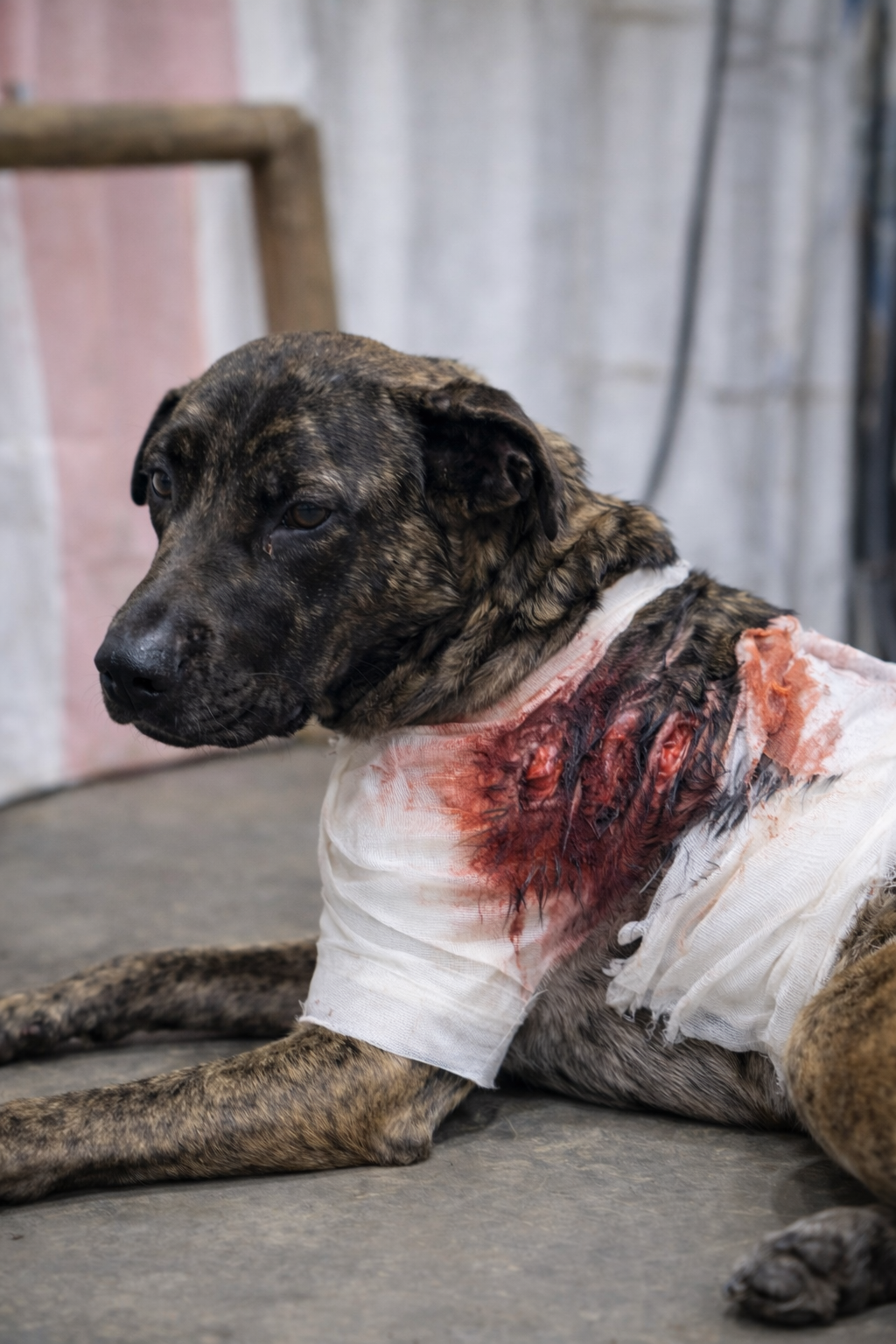
Dog Bite / Wound Repair Surgery-Miami ($650 – $2100)
This is one of our specialties in South Florida, with more than 20 years attending breeders and clients that come from Orlando, Miami Beach, Naples, and Key West.
Why Bite Wounds Are Often More Serious Than They Appear
Dog fight wounds can sometimes look small on the surface, but the damage underneath the skin can be much more significant. When a dog bites, the teeth create deep punctures that introduce bacteria under the skin, which can lead to infection, tissue death, abscesses, and severe inflammation.
In many cases, the skin closes quickly over the puncture, trapping bacteria inside the tissue. This is why veterinary evaluation is important even if the wound appears minor.
Several factors determine how serious a dog fight injury may be:
-
Number of bites
-
Depth of punctures
-
Size difference between dogs
-
Location of the wounds
-
Time passed since the fight
-
Overall health of the patient
Minor Bite Wounds
- Comprehensive Physical Examination
- Clipping and sterile wound cleaning
- Flushing of puncture wounds
- Antibiotic injection
- Pain control medication
- Oral antibiotics for home care
- Post-treatment instructions
Moderate Bite Wounds
- Full physical examination
- Sedation or light anesthesia
- Surgical exploration of wounds
- Deep sterile lavage
- Removal of damaged tissue (debridement)
- Partial wound closure if appropriate
- Antibiotics and pain management
- Take-home medications
- Post-surgery monitoring
Severe Bite Trauma
- Complete physical exam and stabilization
- General anesthesia with monitoring
- Full surgical wound exploration
- Removal of infected or necrotic tissue
- Drain placement if required
- Surgical wound repair
- Injectable antibiotics and pain control
- Take-home medications
- Follow-up recheck visit
What to expect during Dog Bite / Wound Repair Surgery?
-
What to expect during Dog Bite Wound Repair Surgery?
• Pre anesthetic exam (in-house blood work).
Before surgery, we perform a complete physical examination and in-house blood work to evaluate your pet’s overall health and ensure it is safe to proceed with anesthesia.• Intravenous fluids.
An intravenous catheter is placed to allow fluids and medications to be administered during the procedure. IV fluids help maintain blood pressure, circulation, and organ function while your dog is under anesthesia.• Our veterinary team will induce your dog into a safe state of general anesthesia.
General anesthesia allows us to thoroughly evaluate and treat the wounds without causing pain or stress to your pet.• Vital signs monitoring.
Vital signs including breathing, heart rate, blood pressure, depth of anesthesia, oxygenation levels, CO₂ levels, and body temperature are monitored closely throughout the entire procedure to ensure your pet remains stable and safe.• Preparation of the surgical area.
The hair surrounding the wounds is clipped and the skin is thoroughly cleaned and disinfected. This step improves visibility and significantly reduces the risk of bacterial contamination during surgery.• Wound exploration.
Dog bite wounds can appear small on the surface but may cause deeper tissue damage underneath the skin. The veterinarian carefully explores each wound to determine the extent of injury to the skin, muscle, and surrounding tissues.• Flushing and cleaning of the wounds.
The affected areas are thoroughly flushed with sterile solutions to remove bacteria, debris, and contaminants introduced during the bite.• Removal of damaged tissue (debridement).
If necessary, damaged or contaminated tissue is carefully removed to promote healthy healing and reduce the risk of infection or abscess formation.• Drain placement when necessary.
Depending on the depth and severity of the wounds, a surgical drain may be placed to allow fluid or infection to drain properly while the tissues heal.• Wound closure.
Some wounds may be partially or fully closed with sutures, while others may be left partially open to allow drainage and prevent infection. The best approach depends on the severity and location of the injuries.• Postoperative medications are given.
Antibiotics and pain medications are administered to control infection and ensure your dog remains comfortable during recovery.• Recovery and hospitalization.
We will keep your dog hospitalized until they have completely recovered from anesthesia and are stable to return home. At discharge, detailed after-care instructions and medications will be provided to support proper healing.
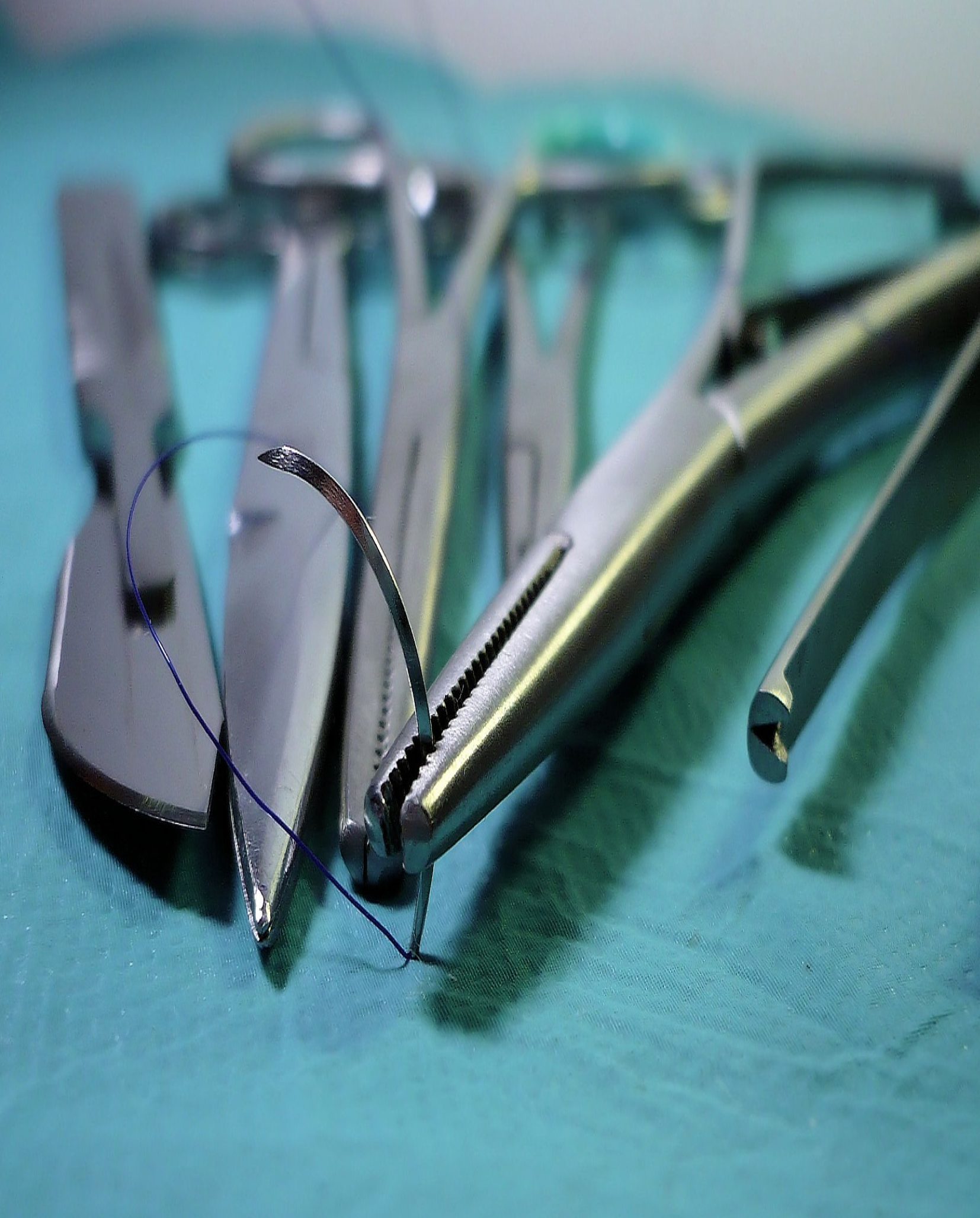

Important Fact:
Stop feeding your pet (dog/cat) food and water 12 hours before surgery. Food can complicate surgery and lead to fatal outcome.
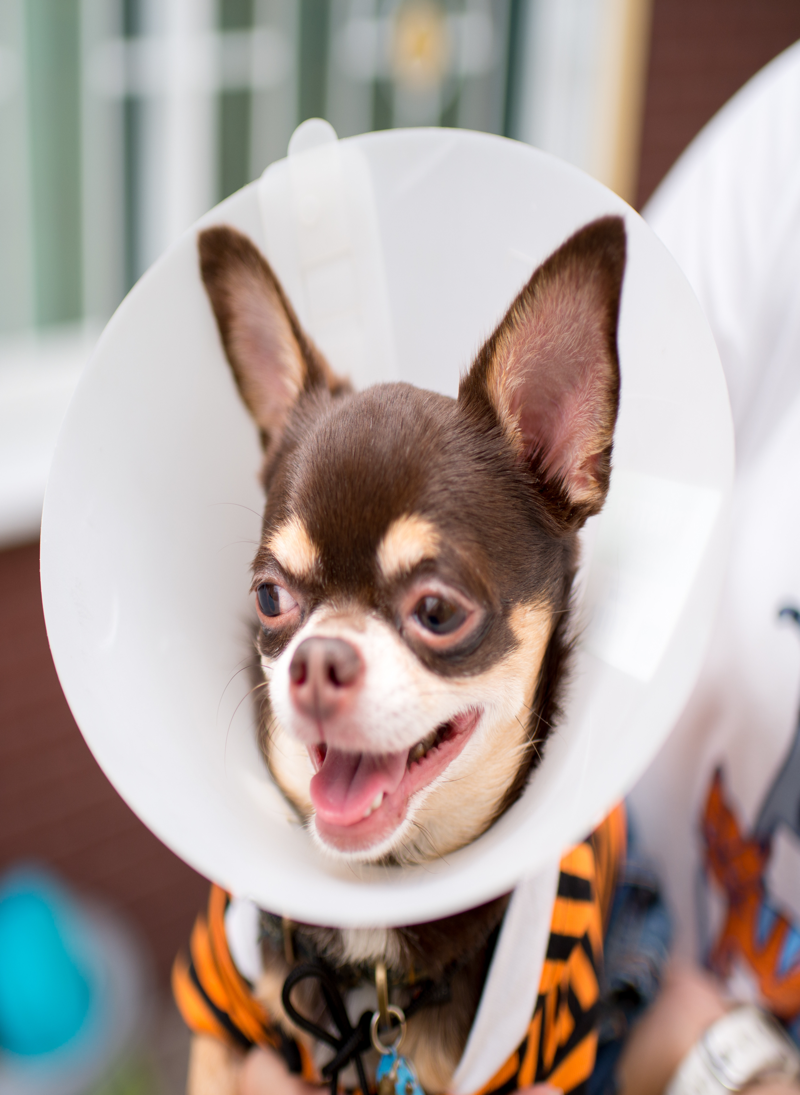
Home Care Instructions
Our veterinary staff will also provide you with post-operative instructions to follow when your pet goes home. With your home care instructions you will receive medication to minimize to minimize post-op discomfort. The steps below you can follow at home in order to facilitate a safe and comfortable recovery:
Quiet Place
Provide a quiet place for your dog to recover
Avoid bathing
Avoid bathing your dog for at least ten days after surgery
Check Incision Daily
Check incision daily to confirm proper healing.
Call us
If your dog is lethargic, has decreased appetite, is vomiting and has diarreha.
Preventing Running and Jumping
Do not allow your dog to run and jump for seven to ten days following surgery
Pay attention to changes around the surgery area
If you find any redness, swelling, or discharge around the surgery area, or if incision is open please, call us